
Research Areas
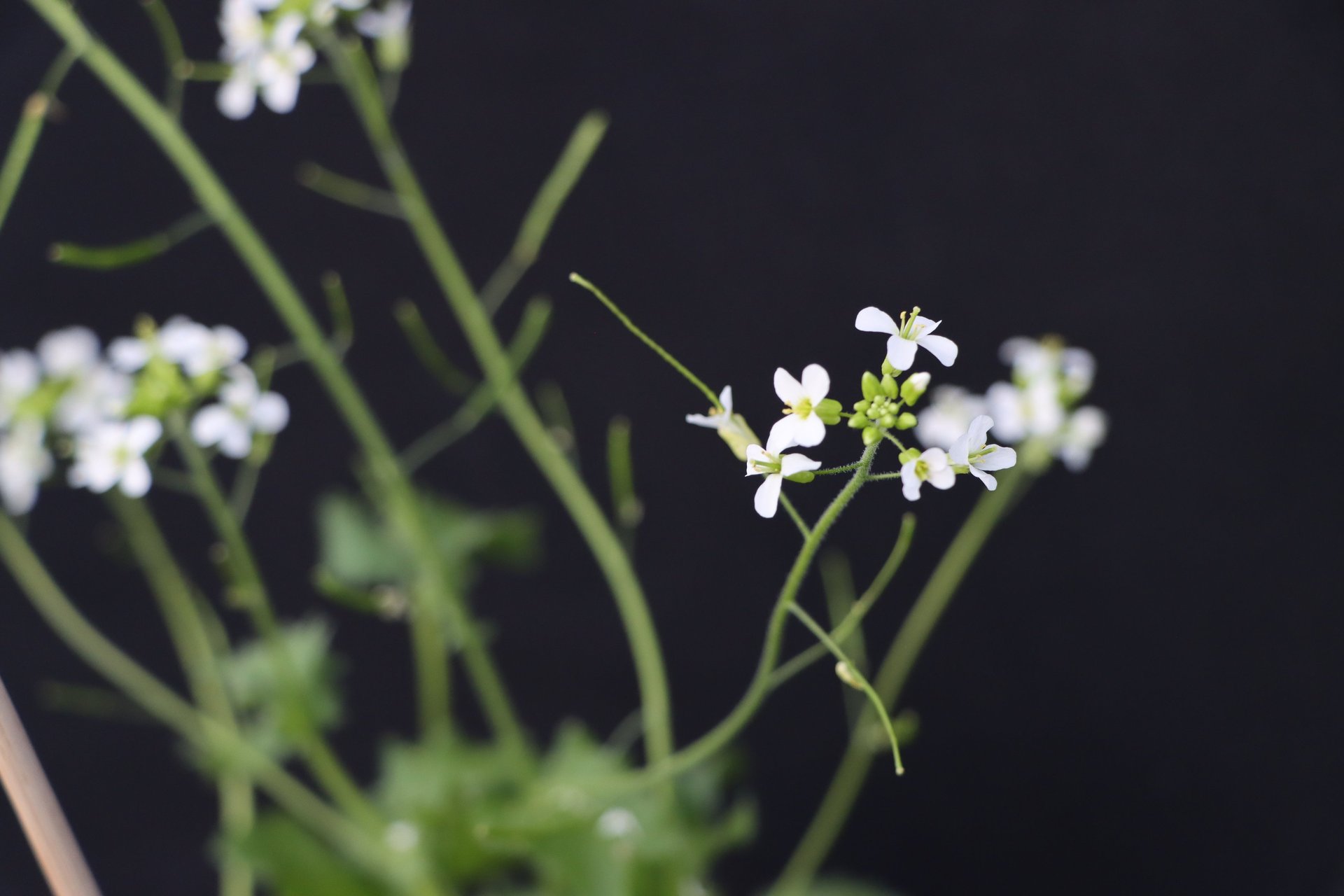
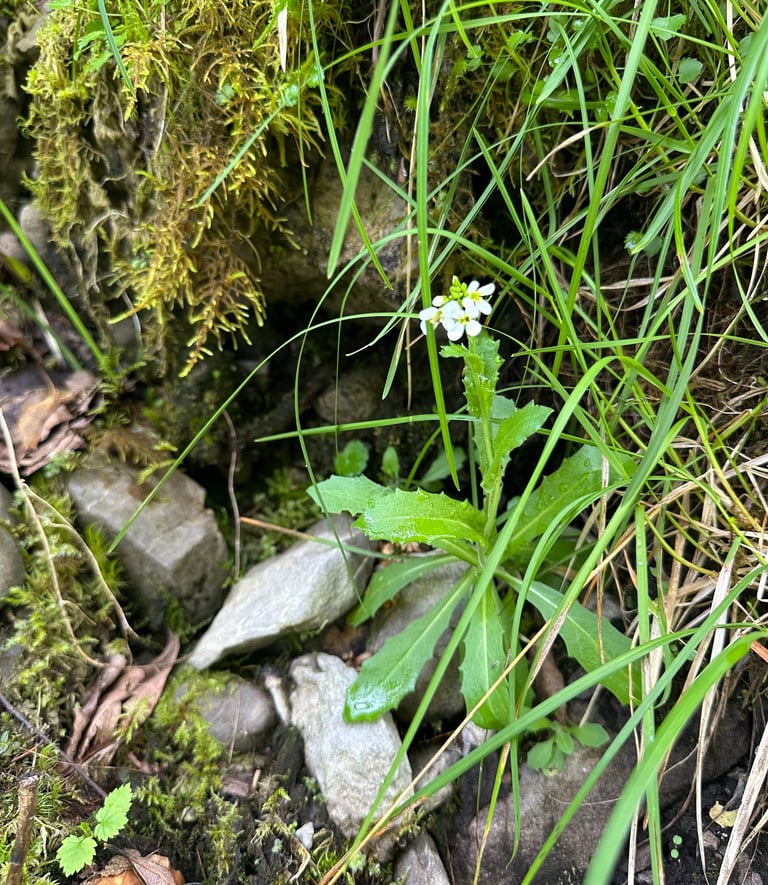
Studying altitude adaptation in plants, using Arabis alpina as a model system
High altitudes are generally associated with reduced atmospheric pressure, reduced temperature, increased radiation and extended periods of snow coverage, which can pose challenges for sessile plants. Comparative studies of plants growing at different elevations can therefore be informative to examine molecular signatures of altitude adaptation.
Arabis alpina is a good model system to understand altitude adaptation because:
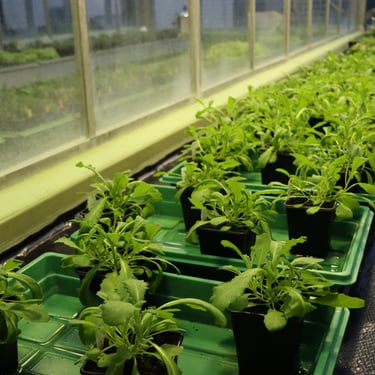
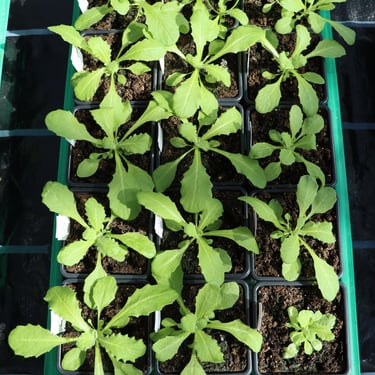
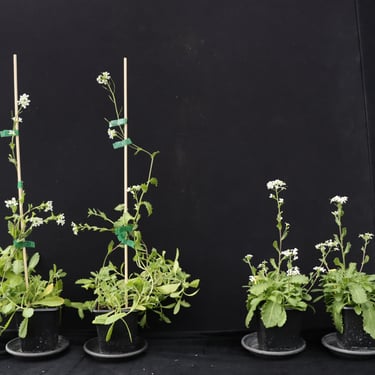
It is a diploid, perennial plant, found in diverse ecological niches and altitudes (from 500 metres up to 2900 metres above sea level)
It is a relative of the well-studied Arabidopsis thaliana, is easy to grow in lab conditions and is also compatible for genetic transformation
Its genome has been sequenced and annotated
It has been well-studied for the epigenetic regulation of flowering time
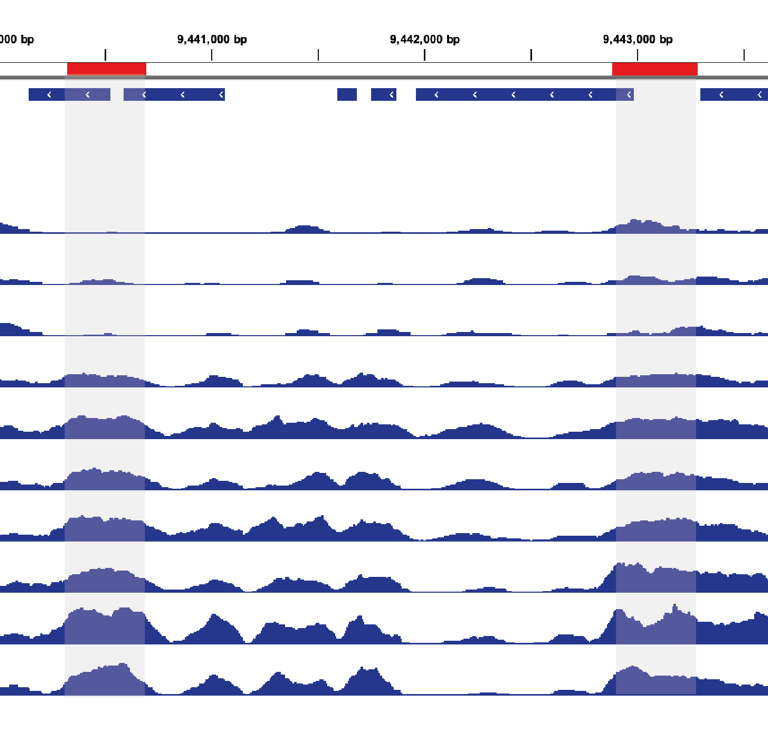
To understand how epigenomic and genomic features together may facilitate altitude adaptation, we will examine their distribution in distinct populations, associations with the local environment, heritability across generations and their plasticity under altered growth environments.
Main research questions
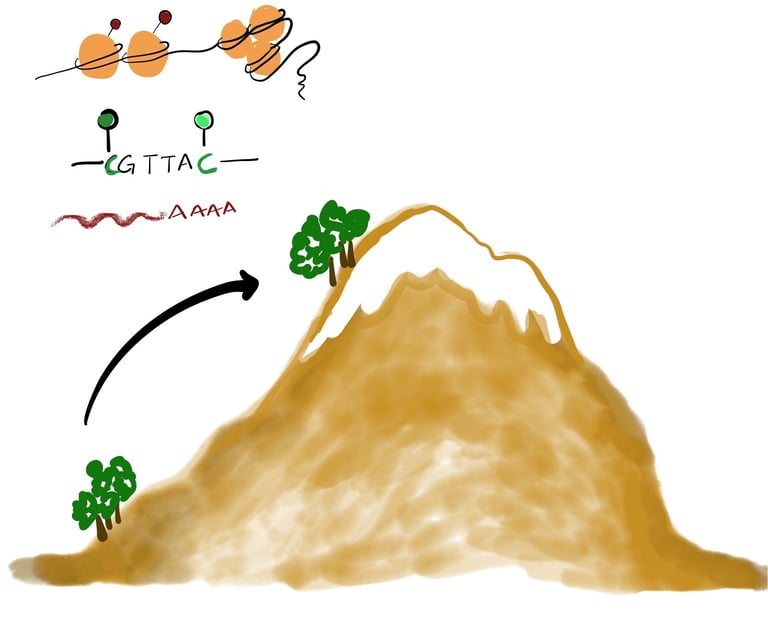
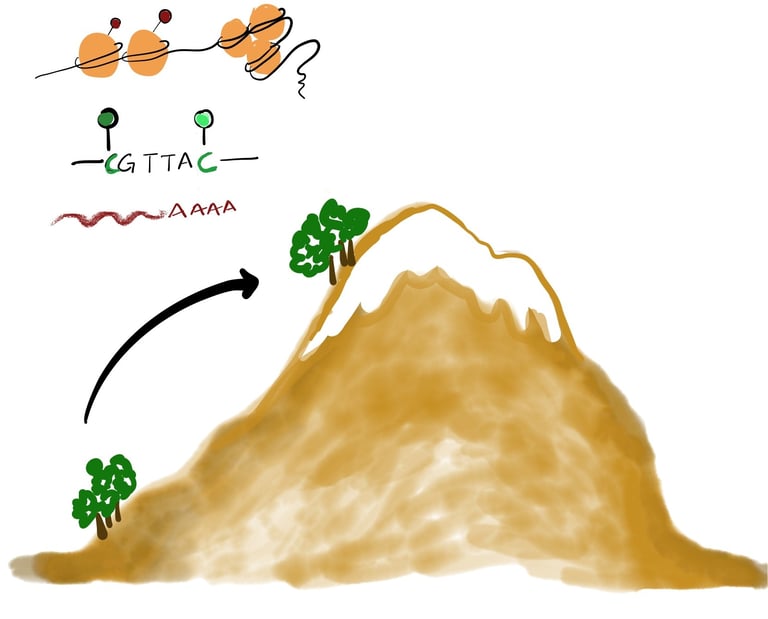
1. How do (epi)genomes vary with altitude?
We will study genomes, epigenomes and transcriptomes of diverse Arabis alpina populations growing at different altitudes and test associations with environmental variables
2. How are these features inherited?
We will compare epigenome features in parental plants with their offspring
We will employ molecular biology and genetics approaches to modify epigenome features and assess their functional significance in natural populations
3. Can we identify candidate genes that influence the epigenome for adaptation?
Preliminary project
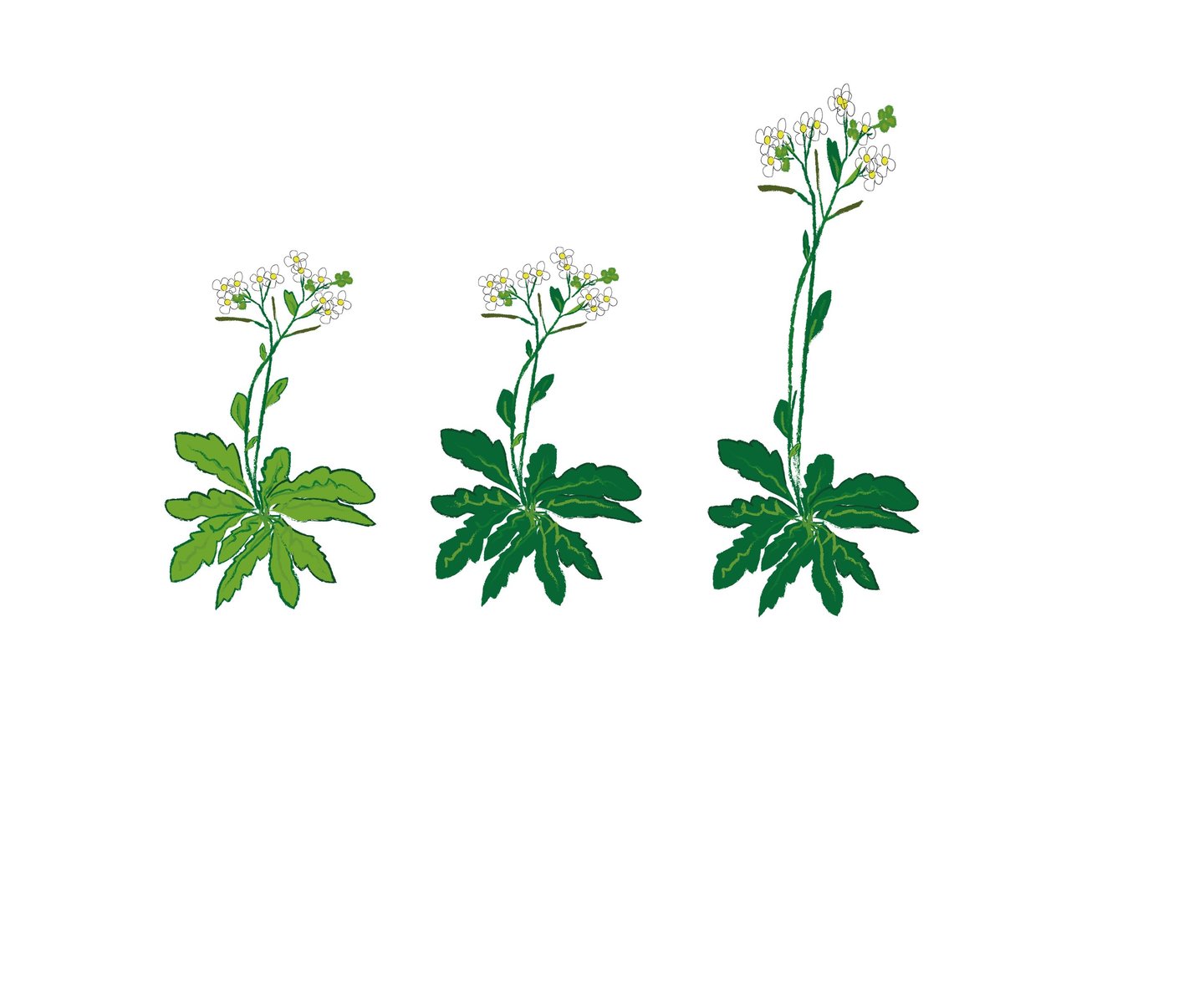
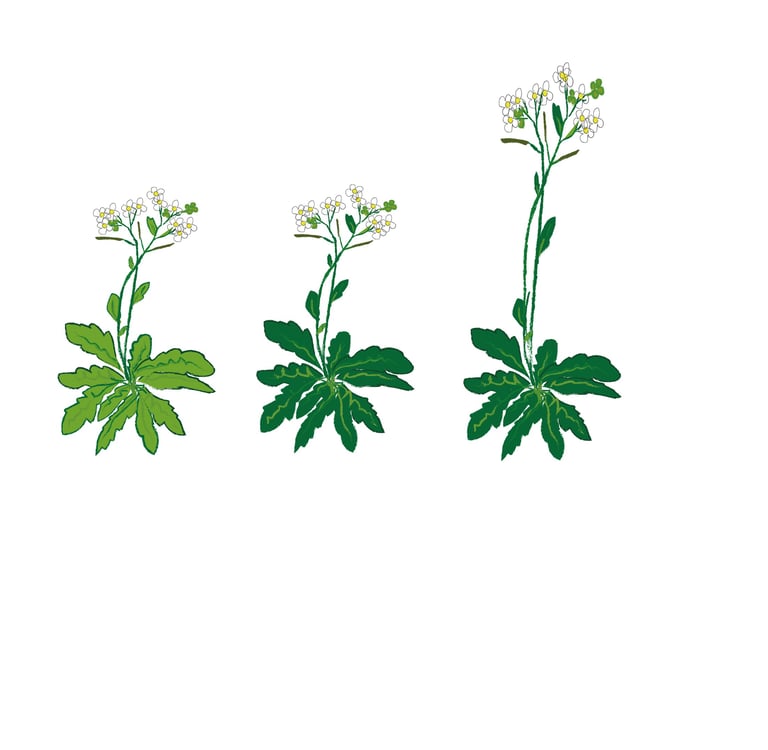
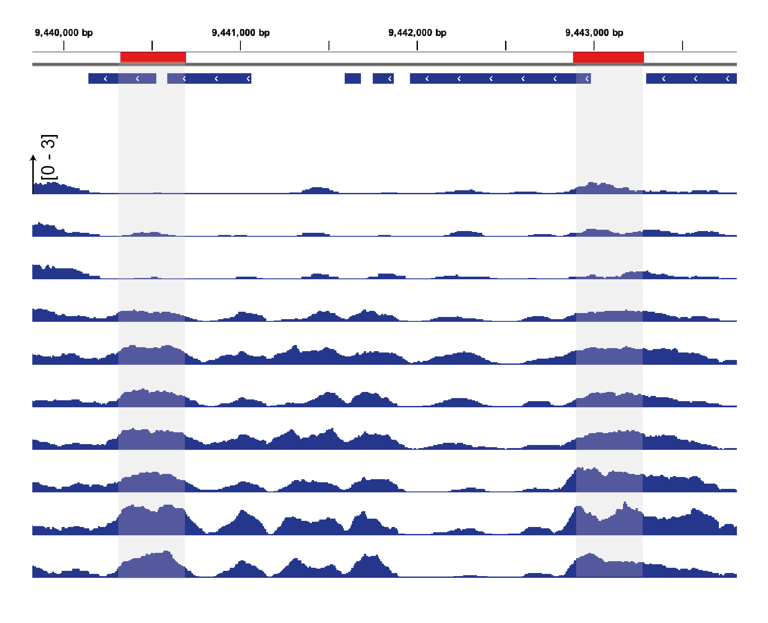
Two populations of A. alpina originating from different altitudes of a Swiss alpine mountain peak were propagated in the greenhouse and sequenced to study their methylomes (DNA methylation landscape), genomes (genetic landscape) and transcriptomes (gene expression patterns).
This project was funded by Thanvi's ETH Career Seed Award project (2025 - 2026) and the data analyses are underway.
Contact
thanvi.srikant@biol.ethz.ch
thanvi.srikant@usys.ethz.ch
© Epidiversitylab.org 2025. All rights reserved.
Plant Ecological Genetics Group,
Institute of Integrative Biology,
D-USYS, ETH Zürich
CURRENT affiliation